Call us now :07971549916
 Send Inquiry
 Send Inquiry
3HP Pulverizer Atta Chakki 30 to 35 kg
Price 35000.0 INR/ Piece
MOQ : 1 Piece
3HP Pulverizer Atta Chakki 30 to 35 kg Specification
- Usage
- Industrial
- Condition
- New
- Material
- steel
- Size
- Standard
- Power Source
- Electric
- Color
- Silver
About 3HP Pulverizer Atta Chakki 30 to 35 kg
As you know, Paper napkins are widely used on the life, More and more tissue paper manufacturers investing in creating paper napkin. As a top-brand tissue machine manufacturer, We can provide You a paper napkin making machines at competitive market price.High-Efficiency Industrial Milling
Crafted for large-scale flour production, the 3HP Pulverizer Atta Chakki delivers rapid output of 30 to 35 kilograms per cycle. Its potent electric motor guarantees consistent results, supporting continuous industrial processes with minimal downtime.
Superior Durability and Design
Manufactured from high-grade steel and finished in resistant silver, this pulverizer stands out for its sturdiness and long operational life. Its standard size makes installation and integration effortless in existing industrial setups.
Trusted Manufacturing and Supply in India
Assembled and distributed by qualified manufacturers, suppliers, and traders in India, this machine meets rigorous industrial standards. User-friendly and supported by local expertise, it ensures straightforward maintenance and serviceability.
FAQ's of 3HP Pulverizer Atta Chakki 30 to 35 kg:
Q: How does the 3HP Pulverizer Atta Chakki operate?
A: The machine is powered by a 3HP electric motor, which drives the steel grinding mechanism to pulverize wheat and other grains. Simply feed the raw materials into the inlet and collect the processed flour at the output.Q: What materials can I process with this Atta Chakki?
A: It is designed for industrial flour milling and can handle a range of grains such as wheat, maize, barley, and similar agricultural products, creating fine, consistent flour in each batch.Q: Where is the ideal place to use this pulverizer?
A: The 3HP Pulverizer is best suited for industrial environments like flour mills, food processing units, and factories that require high-volume, continuous flour production.Q: What benefits does the electric power source provide?
A: The electric motor ensures stable, uninterrupted operation, higher efficiency, and reduced manual labor, especially when compared to manual or semi-automatic alternatives.Q: When should I consider routine maintenance for this machine?
A: Routine maintenance is advised after every significant production cycle or as per manufacturer recommendations, ensuring optimal performance and extending the machine's lifespan.Q: How do I ensure safety during operation?
A: Follow the manufacturer's operating guidelines, ensure no foreign objects are mixed with grains, and use appropriate industrial safety gear while running the machine.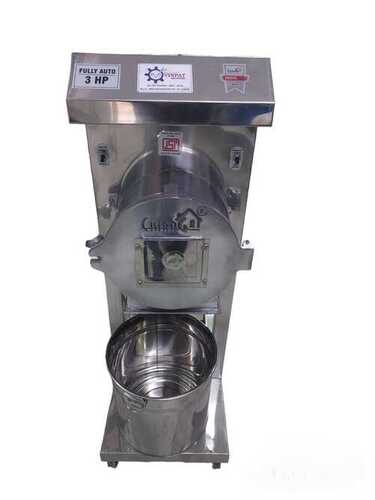
Tell us about your requirement

Price:
Quantity
Select Unit
- 50
- 100
- 200
- 250
- 500
- 1000+
Additional detail
Mobile number
Email

More Products in Pulveriser Machine Category
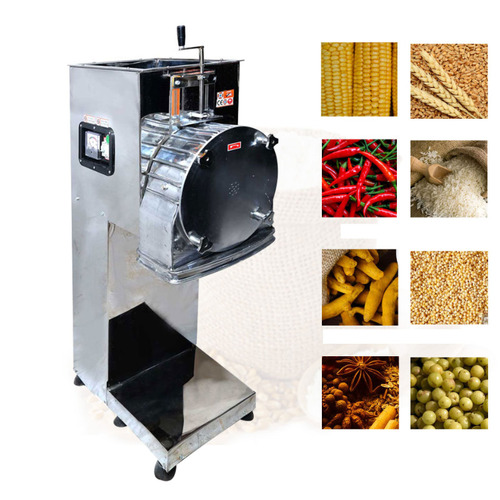
2 in 1 Pulverizer SS Body
Price 18000.0 INR / Unit
Minimum Order Quantity : 1 Unit
Condition : New
Color : Silver
Power Source : Electric
Usage : Industrial
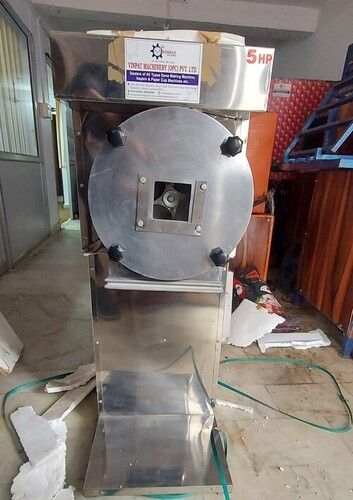
5Hp SS Pulverizer
Price 38000.0 INR / Piece
Minimum Order Quantity : 1 Piece
Condition : New
Color : Silver
Power Source : Electric
Usage : Industrial
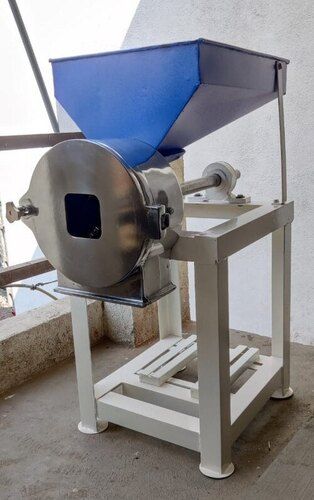
Vinpat Single Chamber Ms Pulverizer
Price 22000 INR / Piece
Minimum Order Quantity : 1 Piece
Condition : New
Color : Silver
Power Source : Electric
Usage : Industrial
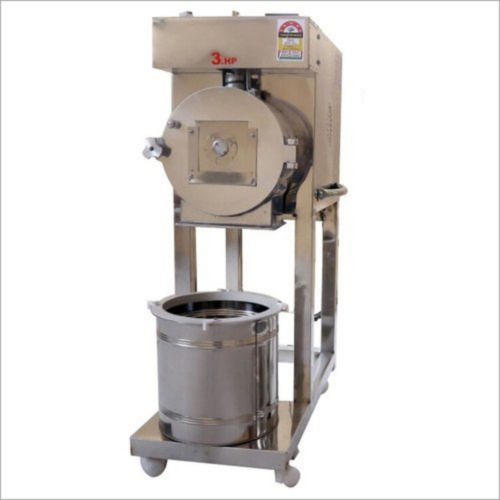
3hp Stainless Steel Pulverizer
Price 18000.0 INR / Piece
Minimum Order Quantity : 1 Piece
Condition : New
Color : gray
Power Source : Electric
Usage : Industrial

 Send Inquiry
Our Products
- Dona Making Machine
- Oil Expellers
- Paper Cup Making Machine
- Pulveriser Machine
- Slipper Making Machine
- Pouch Packing Machine
- Thermocol Plate Making Machine
- Bag Making Machine
- Scrubber Packing Machine
- Camphor Making Machine
- Flour Mill Machine
- Sealer Machine
- Agarbatti Making Machine
- Crompton Motor
- Lamination Machine
- Napkin Making Machine
- Spice Packaging Machine
- Pulse Polishing Machine
- Paper Plate Machine
- Garlic Machine
- Dough Maker And Mixer
- Food Processing Machine
- OIL EXPELLERS
- File Punching Machine
- Foil Rewinding Machines
- Filling Machine
- Oil Dryer Machine
- Oil Filter
- Scrubber Making Machine
- Pouch Making Machines
- Vibro Sifter Machine
- Pizza Oven
- Strapping Machine
- Deep Fryer
- Engine Generator
- Sheet Cutting Machine
- Bottle Capping Machine
- Vacuum Packing Machine
- Planetary Mixer Machine


H No. 569/145/2, Kanpur Road, Near Krishna Nagar Metro Station, Lucknow - 226012, Uttar Pradesh, India

Mr. Vinay Patel
(Director)
Mobile :07971549916
 Send Inquiry
 Send SMS
Developed and Managed by Infocom Network Private Limited.


